Know Your Leather Before You Buy
Two jackets can look the same on the hanger and age in completely different ways. The difference is in the hide, the grade, the tanning and the care. This leather guide explains each one in plain words.
We have worked with leather since 1996 and process our skins at our own tannery, so this is the advice we give customers in our Bodrum store every day. Read it here, then come and feel the difference in person.
- What leather is
- Types of leather
- Leather grades
- How it is made
- Tanning methods
- Real or imitation
- Leather care
- FAQ
What Is Leather?
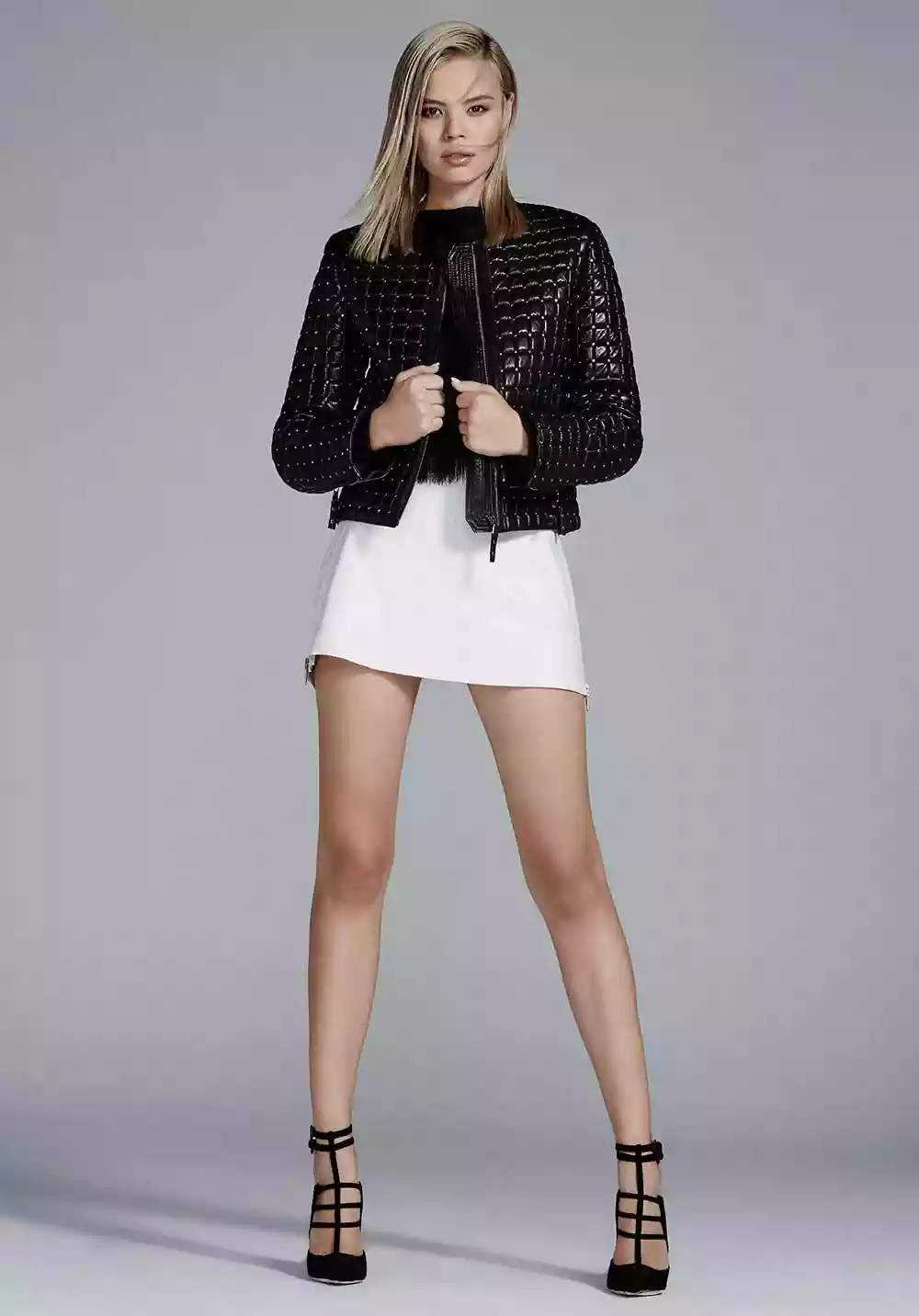
Leather is animal hide that has been tanned, a treatment that stops the skin from decaying and turns it into a strong, flexible material. People have been making it for more than seven thousand years, which makes leather craft one of the oldest trades in the world.
What has kept it in use for so long is simple. Good leather resists wind and wear, shapes itself to the person who wears it and, with a little care, lasts for decades. Most materials look their best on the day you buy them. Leather is one of the few that improves.
- Strong. Dense natural fibers resist tearing and abrasion.
- Flexible. It softens with wear and molds to your body.
- Breathable. Unlike plastic coated materials, it lets air through.
- Long lived. A well kept leather jacket can be worn for decades.
- Individual. No two hides have the same grain, so no two pieces are identical.
Types of Leather
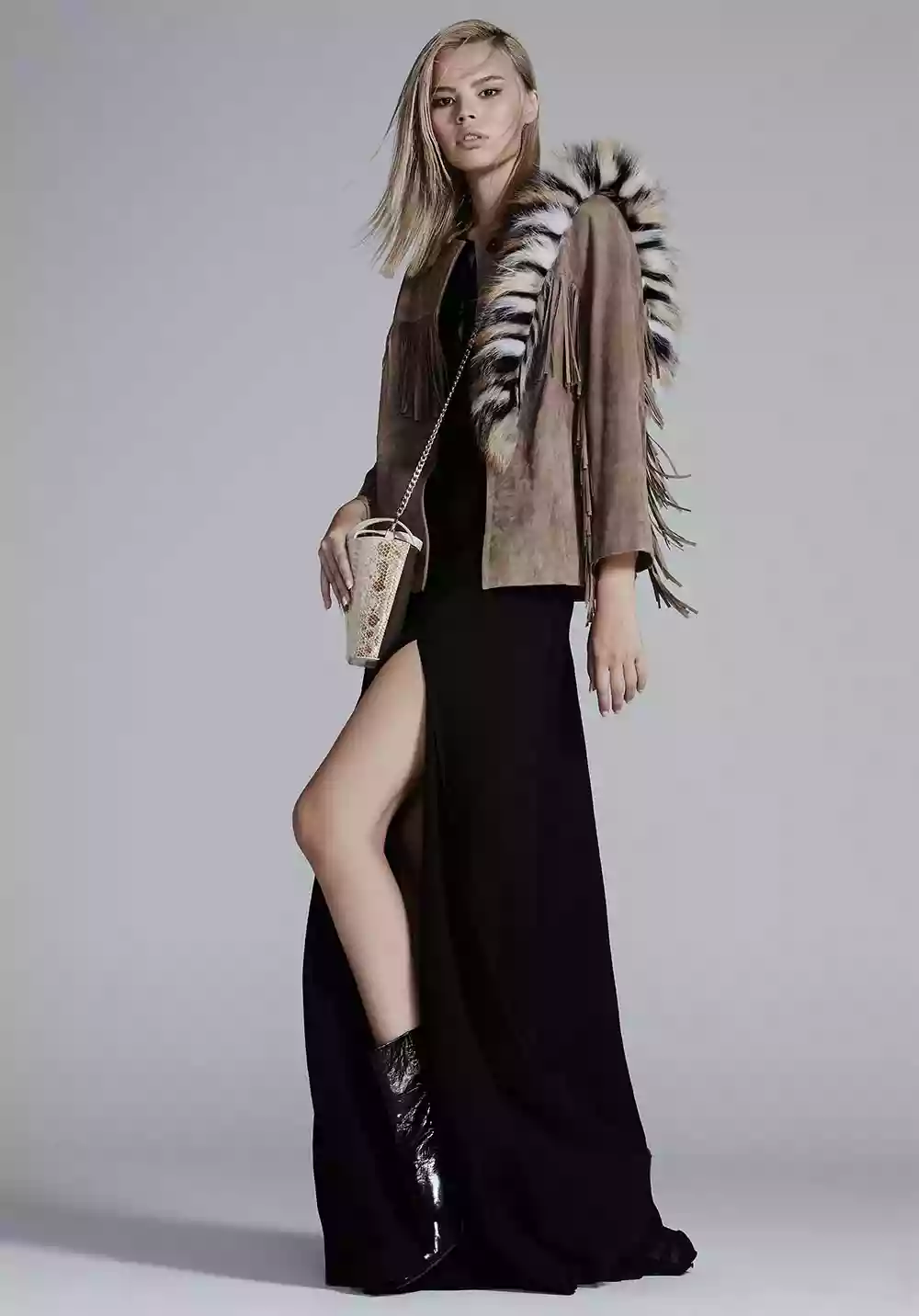
Most of the world’s leather comes from cattle, followed by sheep and goats. Each hide has its own weight, softness and character, and that decides what it is best used for.
Cowhide
The most widely used leather. Thick, tough and hard-wearing, with a firm hand that softens over the years.
Best for biker jackets, belts, bagsLambskin
The softest and lightest of the common leathers. Smooth, fine grained and comfortable from the first day.
Best for fitted jackets, coats, glovesGoatskin
Supple yet strong, with a lightly pebbled grain. Lighter than cowhide and more durable than lambskin.
Best for everyday jackets, bagsExotic leathers
Ostrich, crocodile and snake are valued for their natural patterns, from quill marks to scales. Rare and distinctive.
Best for statement bags, accessoriesLeather Grades Explained
A hide is thick enough to be split into layers. The grade tells you which layer you are buying and how much the surface has been altered. This matters more than the animal.
- Full grainHighest gradeThe complete outer layer with nothing sanded away. The densest, strongest part of the hide. It shows natural marks and, instead of wearing out, develops a rich patina with age.
- Top grainFine qualityThe same outer layer with the surface lightly sanded and finished for a more even look. Slightly thinner and more uniform than full grain, and very widely used in garments.
- NubuckTop grain leather buffed on the outer side to raise a short, velvety nap. Soft to the touch and more durable than suede, but it marks more easily than smooth leather.
- SuedeMade from the underside of the hide, with a soft, brushed surface. Light and elegant, best kept away from rain.
- Split leatherThe lower layer left after the top grain is removed. Less dense and less durable, often given an embossed or coated surface to imitate grain.
- Bonded leatherLowest gradeLeather scraps shredded and glued onto a backing. It contains leather but behaves nothing like it, and it peels with use.
A note on labels: “genuine leather” only tells you the material is real leather. It says nothing about the grade, so always ask which grade you are looking at.
How Leather Is Made
Every hide passes through four stages before it reaches a cutting table. At BEST Leather and Fur this work is done at our own tannery, which is how we control quality from the raw skin onward.
- 01PreparationThe hide is soaked, cleaned and stripped of hair so that only the usable skin remains.
- 02TanningTanning agents stabilize the skin’s fibers. It will no longer decay, and it stays flexible when it dries.
- 03CrustingThe leather is thinned to an even thickness, softened, dyed and dried.
- 04FinishingOiling, polishing, embossing or a protective coat give the leather its final look and feel.
Tanning Methods
The tanning method shapes how leather feels, how it reacts to water and how it ages. These are the three you are most likely to meet.
Vegetable tanned
The oldest method, using natural tannins from tree bark. It takes weeks and gives a firm leather in warm brown tones that darkens beautifully with age. It does not like getting soaked.
Belts, bags, saddleryChrome tanned
The most common modern method, using chromium salts. It is fast and produces soft, supple leather that takes color well and copes better with water.
Jackets, coats, garmentsChrome free
Also called wet white for its pale cream color before dyeing. Tanned without chromium, it gives a soft leather and is the usual choice where a chrome free material is wanted.
Baby shoes, car interiorsReal Leather or Imitation?
Artificial leather is a plastic coating, usually polyurethane or vinyl, on a fabric backing. It can look convincing in a photo, but it does not breathe, does not soften with wear and tends to crack and peel within a few years.
You do not need to be an expert to tell them apart. Use your hands, your eyes and your nose, and compare with our guide to recognizing a good leather garment.
- Look at the grain. Real leather is slightly irregular. A perfectly repeating pattern is printed.
- Check the edges. Real leather has a rough, fibrous edge. Imitation has a clean, layered one.
- Feel it. Real leather warms in your hand and wrinkles when pressed. Plastic stays cool and smooth.
- Smell it. Leather has a rich, natural smell that cannot be faked. Imitation smells of chemicals.
- Read the label. Ask which animal and which grade. A good seller will answer at once.
How to Care for Leather
Leather is skin, and like skin it dries out if it is neglected. The natural oils that keep it supple are slowly lost through wear, sun and dry air. Looking after it is mostly a matter of putting those oils back and avoiding extremes.
Follow these habits and a good jacket or bag will outlast almost everything else in your wardrobe. If you are unsure what your piece needs, ask us in store.
- Clean gently. Wipe with a soft, slightly damp cloth. Never soak leather.
- Condition it. A leather conditioner once or twice a year keeps it supple.
- Dry it slowly. If it gets wet, let it dry at room temperature, away from heaters.
- Avoid the sun. Long exposure to direct sunlight fades and dries the surface.
- Store it well. Use a wide hanger and a breathable cover, never plastic.
Leather Guide FAQ
Short answers to the questions customers most often ask when comparing leather garments.
What is the difference between full grain and top grain leather?
Full grain keeps the complete natural outer surface of the hide, including its natural markings. Top grain comes from the same outer layer but is lightly sanded and finished to create a more even appearance.
Is genuine leather a leather grade?
No. “Genuine leather” tells you that the material contains real leather, but it does not identify the grade. Ask whether the piece is full grain, top grain, suede, nubuck or split leather.
Which leather is best for a soft jacket?
Lambskin is one of the softest and lightest common leathers and is widely used for fitted jackets and coats. Goatskin is also supple, while offering a little more toughness for everyday wear.
How can I tell real leather from imitation leather?
Look for natural variation in the grain, a fibrous edge and a surface that warms and wrinkles slightly in your hand. Imitation leather usually has a more repetitive surface and a fabric or layered backing.
How often should leather be conditioned?
For many leather garments, conditioning once or twice a year is enough. The exact need depends on wear, climate and the finish of the leather. Always use a conditioner suitable for that specific leather.
What should I do if a leather jacket gets wet?
Let it dry naturally at room temperature. Keep it away from radiators, hair dryers and direct heat, which can dry and stiffen the leather.
Now Feel It for Yourself
Reading about leather only goes so far. Visit Leather Bodrum on Atatürk Boulevard, Konacık, and compare cowhide, lambskin and goatskin side by side. We are open daily from 09:00 to 19:00.